What Materials Can Be Welded with a Handheld Fiber Laser Welder?
JZLASER
Introduction to Handheld Fiber Laser Welding Technology
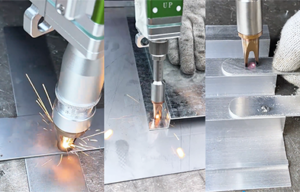
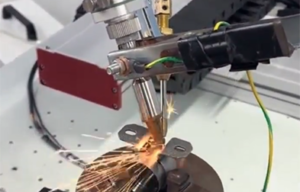
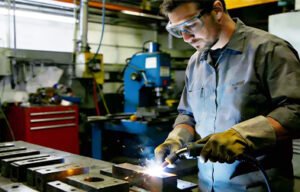
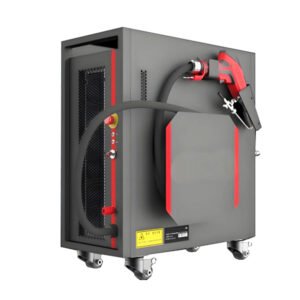
Handheld fiber laser welders can join many different metals. They‘re portable, precise, and fast. This article covers the most common materials they can weld.
1. Stainless Steel
Stainless steel is a common choice. Fiber lasers give you clean, precise welds with a small heat-affected zone. Ideal for automotive, kitchenware, and medical devices.
2. Aluminum
Aluminum is lightweight and strong — common in aerospace, automotive, and electronics. Handheld fiber lasers handle its reflective surface well. Key advantage: you can control heat input for less distortion and stronger welds.
3. Copper
Copper is tricky — it reflects laser light and conducts heat fast. But with the right settings, handheld fiber lasers get the job done. Used in electronics, electrical parts, and heat exchangers. The result: minimal spatter, clean welds.
4. Mild Steel
Mild steel is easy to weld and cost‑effective. Popular in construction, automotive, and manufacturing. Handheld lasers give you deep penetration and clean seams.
5. Titanium
Titanium is strong, light, and corrosion‑resistant. Used in aerospace, medical, and marine. Handheld fiber lasers weld it with high precision — strong, durable, good looking.
6. Brass
Brass (copper + zinc) is common in plumbing, electrical connectors, and decorative items. Handheld fiber lasers join it efficiently — clean, strong, minimal oxidation.
7. Zinc-Coated Steel
Zinc‑coated steel is common in construction and automotive. The laser‘s precision lets you weld through the zinc layer without wrecking the coating.
Conclusion
Handheld fiber laser welders handle many metals — stainless steel, aluminum, copper, mild steel, titanium, brass, zinc‑coated steel. Each has its own challenges, but with the right settings, they all work.
Need help choosing a welder for your materials? Contact us.
111-1024x458.png)