111-1024x458.png)
Which welding method wins?
Laser vs traditional. Precision, speed, cost. See the difference.
This is popup title
You don't need to waste your time and money anymore.
BLOG
CONTACT US
Laser Welding vs Traditional Welding: Which Is Better?
Introduction
Welding is a critical step in modern manufacturing. As electronics, automotive, and medical device industries evolve, production efficiency, weld quality, and material adaptability matter more than ever. Laser welding offers high precision, high speed, and minimal heat-affected zones—advantages that traditional welding cannot match. This article compares both methods across technology, cost, and applications to help you choose the right approach.
Overview of Welding Technologies
Traditional Welding Techniques
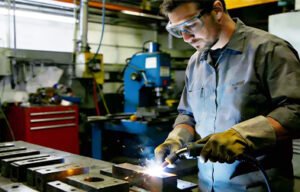
Traditional methods include arc welding, gas welding, and resistance welding. They have low equipment costs and are simple to operate. They work well for thick plates and large parts, but they create large heat-affected zones, lack precision, and can cause warping or stress.
Key Points:
-
Low cost
-
Simple operation
-
Limited precision
Laser Welding Techniques
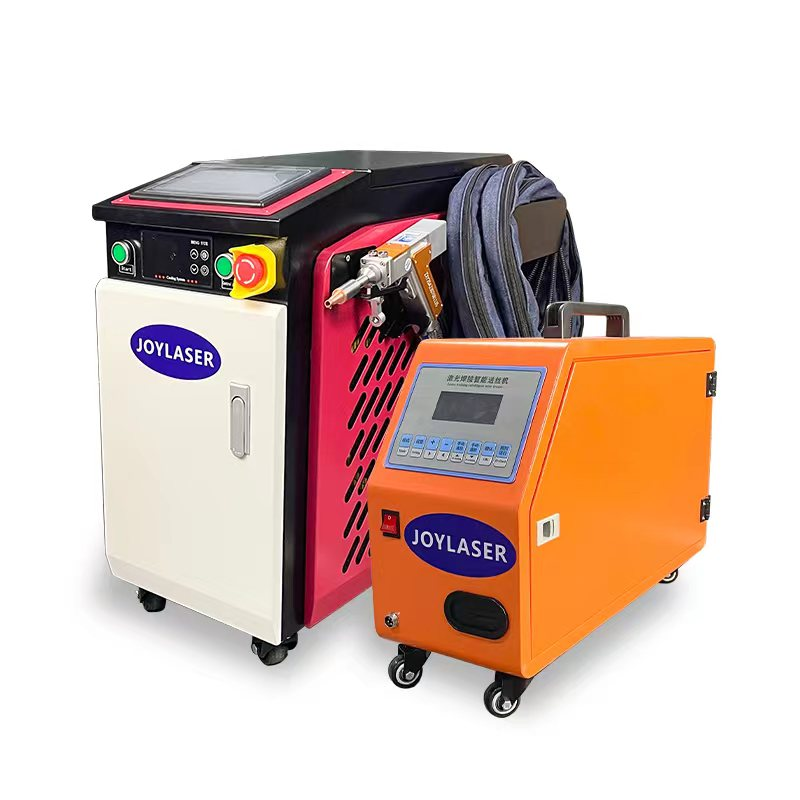
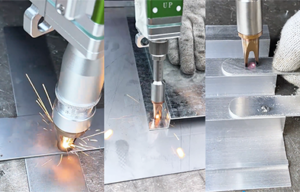
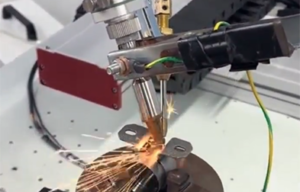
Laser welding uses a high-energy beam for non-contact welding. It creates narrow seams with minimal heat-affected zones, welds fast, and handles small or complex parts—making it ideal for high-precision production.
Key Advantages:
-
High precision
-
Minimal heat-affected zone
-
High efficiency
-
Welds small parts
Key Differences Between Laser and Traditional Welding
Comparison Table
| Feature | Laser Welding | Traditional Welding |
|---|---|---|
| Welding Precision | High precision, micron-level | Limited precision |
| Heat-Affected Zone | Small | Large |
| Production Efficiency | High | Medium |
| Material Compatibility | Copper, aluminum, dissimilar metals | Mainly thick plates |
| Automation | Fully automated | Mainly manual |
| Weld Strength | High | Medium |
| Suitable Industry | Electronics, automotive, medical | General industry |
Welding Speed and Production Efficiency
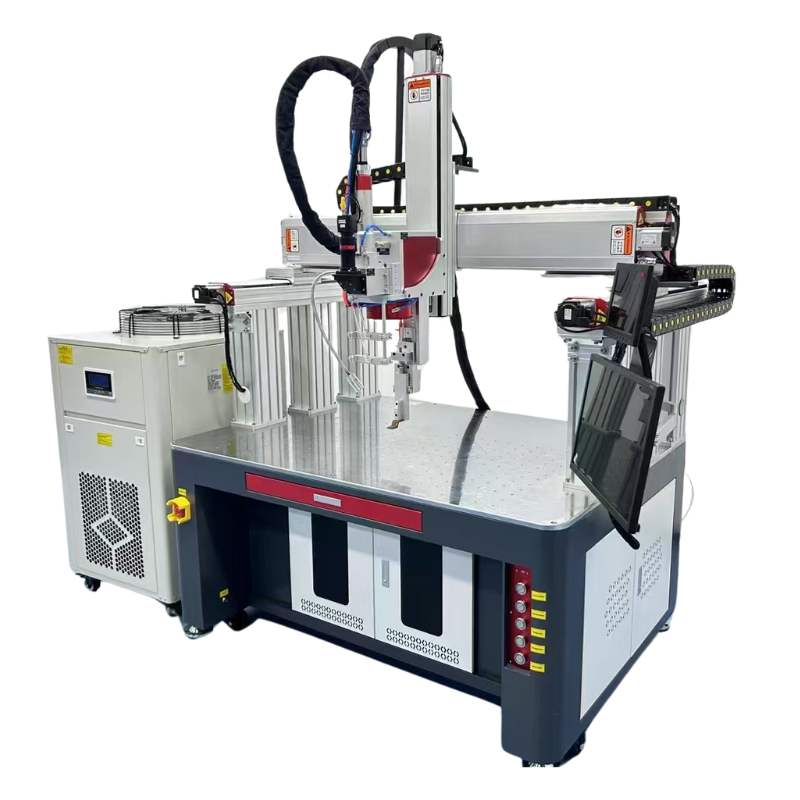
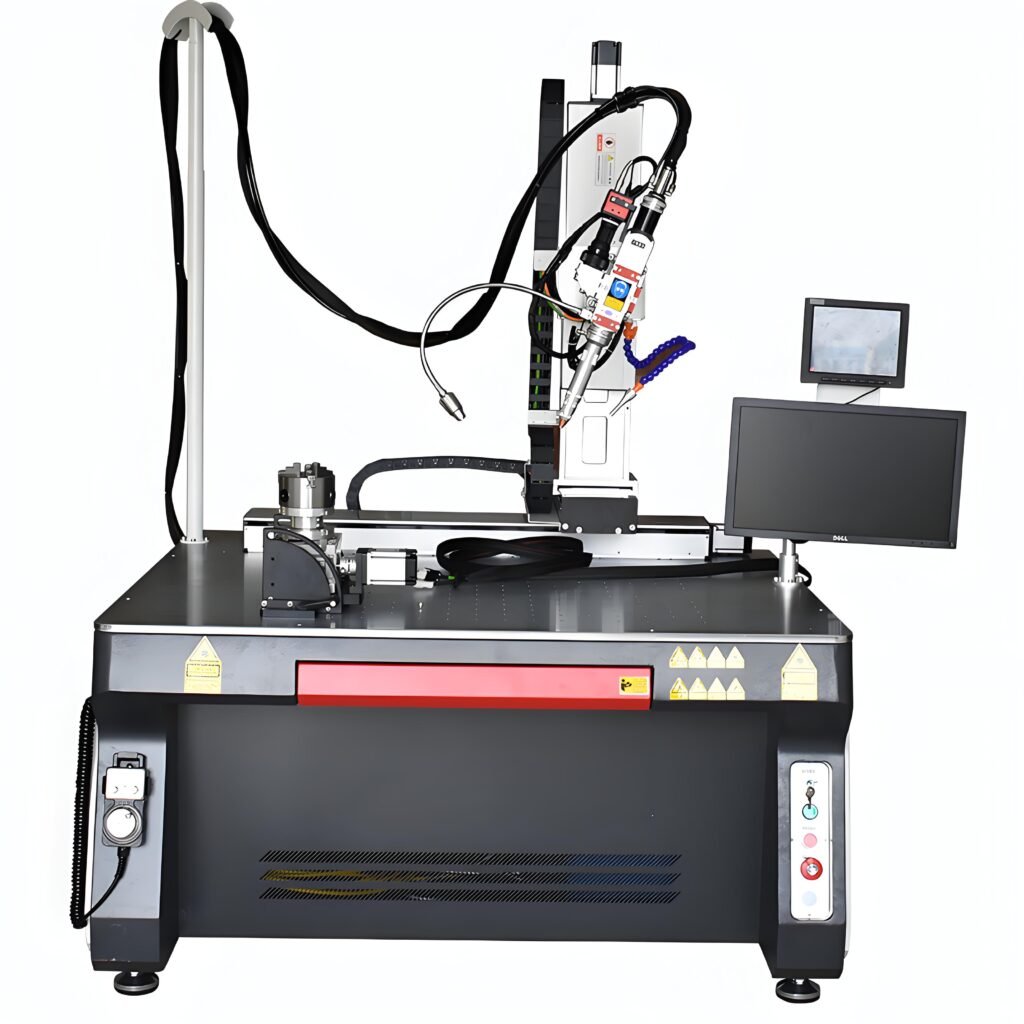
Laser welding supports high-speed continuous welding, especially on automated lines. Multi-station or dual-head systems further optimize output and cut per-part cycle time.
Advantages:
-
High-speed welding
-
Automation ready
-
Higher output
Welding Precision and Quality
Laser welders achieve micron-level precision with clean, strong seams. Traditional welders often produce uneven seams, spatter, and defects on small parts.
Advantages:
-
Micron-level precision
-
Clean welds
-
High strength
Material Compatibility
Laser welding handles a wide range of metals and dissimilar materials, including copper, aluminum, stainless steel, and thin sheets. It excels at battery tabs and electronic components. Traditional welding struggles with thin or highly conductive materials.
Advantages:
-
Welds dissimilar metals
-
Stable on thin sheets
-
Broad material range
Heat-Affected Zone and Structural Integrity
Laser welding creates a small, uniform heat-affected zone, reducing warping and stress—ideal for precision parts. Traditional welding generates more heat, which can cause cracks or distortion.
Advantages:
-
Minimal heat-affected zone
-
Maintains part integrity
-
Less deformation
Cost Analysis
Initial Investment and Equipment Cost
Laser welders have higher upfront costs, but automation reduces long-term labor expenses. Traditional welders are cheaper to buy but less efficient, which can drive up indirect costs.
Production Cost and Maintenance
Laser welders need minimal maintenance, have low consumables, and use less energy. Over time, the cost per part is lower. Traditional welding requires regular electrode, wire, or gas replacement, with higher maintenance and labor costs.
Advantages of Laser Welding in Industrial Production
Key Advantages:
-
High precision and strength
-
Automation ready
-
Energy efficient and clean
-
Welds complex shapes
-
Handles thin sheets and dissimilar metals
-
Ideal for electronics, automotive, and medical devices
Application Cases
Electronics Industry
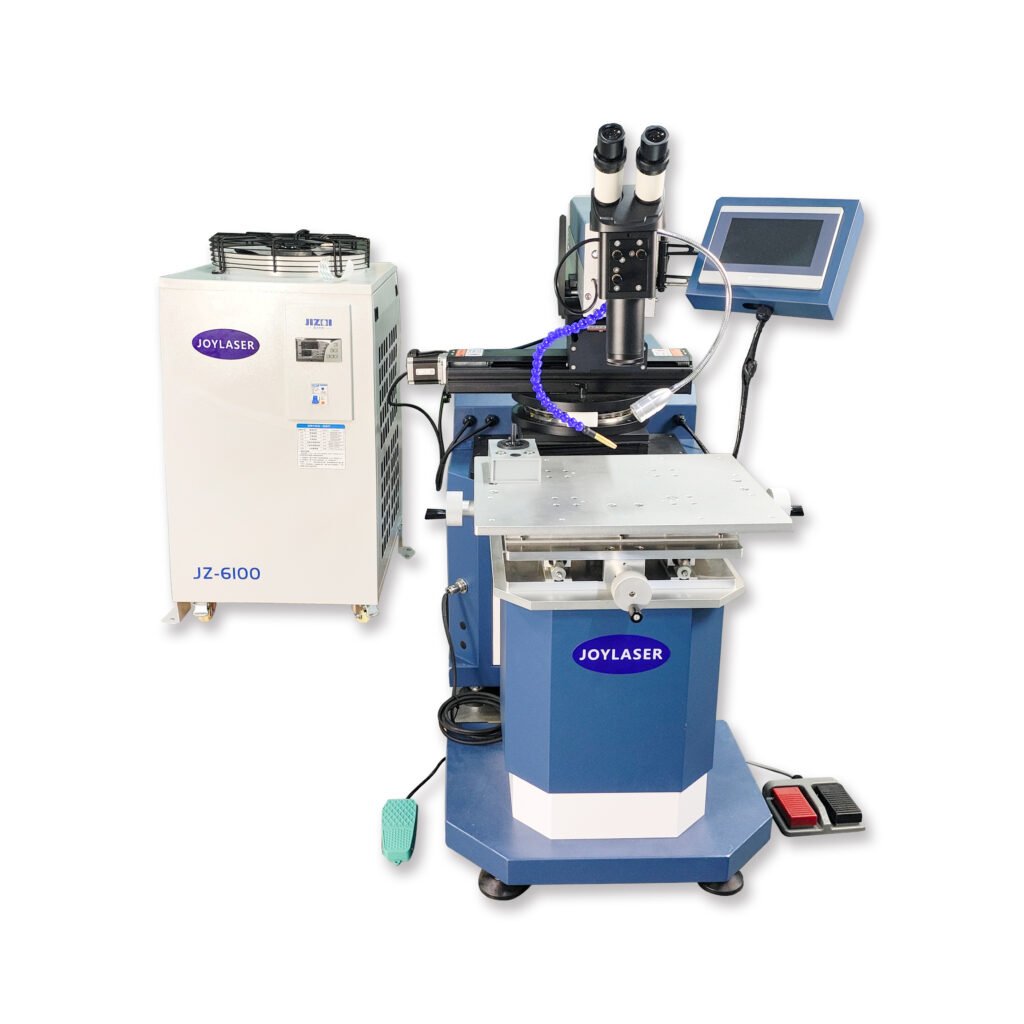
Laser spot welders handle battery tabs, PCBs, and small components with high precision and stability.
Automotive Manufacturing
Laser welders are used for exhaust systems, body panels, and sensors—delivering high speed and strong joints.
Medical Device Production
Laser welders join stainless steel, titanium, and miniature parts while maintaining clean, high-quality welds.
Scenarios Where Traditional Welding Is Still Suitable
Thick plate or large part welding
Low-cost, small-batch production
Applications where weld appearance and micro-precision are not critical
Recommendations for Choosing Welding Technology
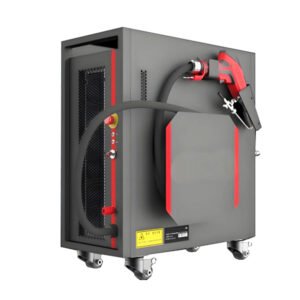
Choosing welding technology depends on material, thickness, production volume, precision, and budget. For high-precision, small parts, or automated production, equipment from laser welding machine manufacturers is recommended. Traditional welding suits thick plates and low-cost requirements.
Conclusion
Laser welding outperforms traditional welding in precision, speed, heat control, and automation—especially for electronics, automotive, and medical devices. The right choice depends on your cost, efficiency, and quality requirements.