111-1024x458.png)
Laser Welding Machine Buyer‘s Guide: Handheld, Desktop, or Robotic — How to Choose for Your Shop
Price ranges, power selection, automation levels, and total cost of ownership (TCO). Free sample testing available.
BLOG
CONTACT US
Laser Welder Buyer‘s Guide: Handheld, Desktop, or Robotic?
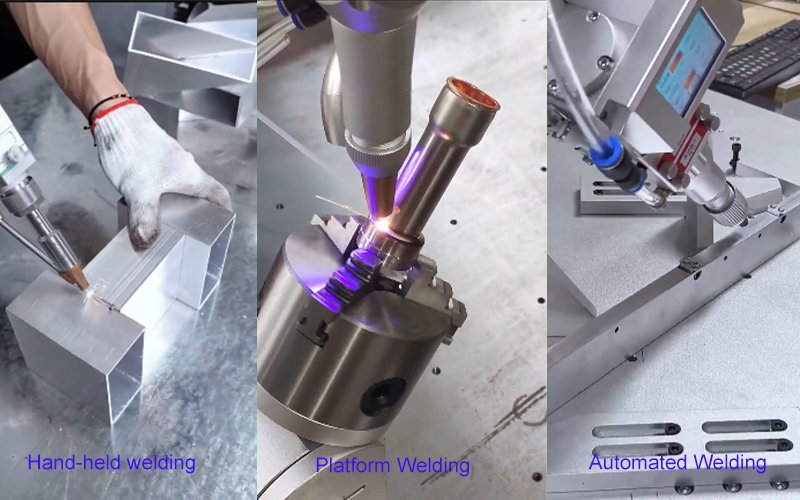
If you’re shopping for a laser welding machine, the options can feel overwhelming. Prices range from a few thousand dollars to over half a million. Power levels range from 500W to more than 6000W. And you must choose between handheld, desktop, or fully automated systems.
This guide cuts through the confusion with a clear framework to help you make an informed buying decision—no fluff, just actionable information.
All pricing and performance data in this guide are based on publicly available industry information. Actual prices and performance vary by configuration, brand, and location.
Price Ranges at a Glance: From 4 , 000 t o 4,000to500,000
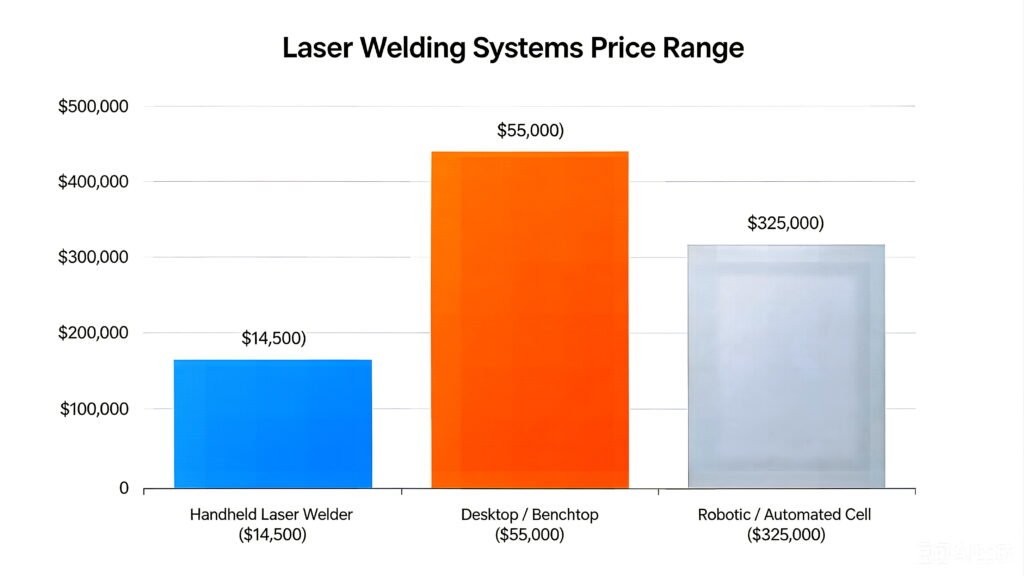
Laser welding systems generally fall into three tiers:
| Machine Type | Typical Power | Price Range (USD) | Best For |
|---|---|---|---|
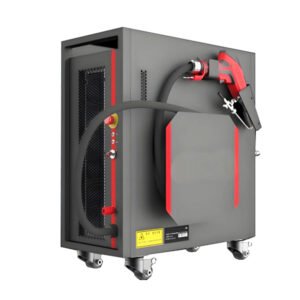
| Handheld Laser Welder | 1000W – 3000W | 4,000–4,000–25,000 | Small shops, repair work, job shop fabrication |
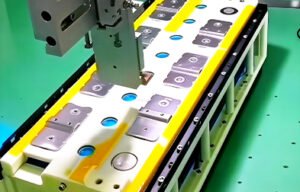
| Desktop / Benchtop | 500W – 1500W | 30,000–30,000–80,000 | Jewelry, medical devices, high-precision small parts |
| Robotic / Automated Cell | 2000W – 6000W+ | 150,000–150,000–500,000+ | Automotive, high-volume production, heavy fabrication |
*Pricing based on 2025–2026 industry data. Actual prices vary by configuration, laser source brand, and add-ons.*
How Much Power Do You Need? A Practical Guide
Laser power (watts) determines the maximum material thickness you can weld. Here‘s a general guide:
| Power Range | Thickness Capability | Typical Applications | Price Impact |
|---|---|---|---|
| ≤1000W | 0.1–2mm | Thin sheet, precision work, electronics | Entry-level, most affordable |
| 1000–2000W | 2–5mm | Auto parts, kitchenware, general fabrication | Sweet spot for small to mid-sized shops |
| 2000–4000W | 4–8mm | General industrial manufacturing | Mid to high range |
| 5000–6000W+ | >8mm | Shipbuilding, heavy fabrication | High-end, typically for automated systems |
Thickness ranges based on carbon or stainless steel. Aluminum and copper may require higher power.
The 1500W Sweet Spot
For most small to mid-sized shops moving from TIG or MIG welding, a 1500W handheld fiber laser welder offers the best balance of capability and cost:
Welds stainless steel up to 4mm (carbon steel up to 5mm)
Welds aluminum 2–4mm depending on alloy
Welding speed is roughly 3–6× faster than TIG
Typical price under $15,000
Speed comparison based on typical industrial data. Actual speed depends on material, joint design, and operator skill.
Automation Level: Handheld, Desktop, or Robotic?
| Type | Pros | Cons | Best For |
|---|---|---|---|
| Handheld | Flexible, low entry cost, adapts to any part | Operator-dependent, less consistent at high volume | Job shops, repair, mixed production |
| Desktop / Benchtop | High precision, stable, programmable | Less flexible, requires fixturing | Batch production, standard parts, high accuracy |
| Robotic / Automated | Extremely consistent, 24/7 operation | High upfront cost, complex programming | High-volume production, automotive, aerospace |
Laser Source Brands: What You Need to Know
The laser source is the heart of the machine. Brand choice affects reliability, longevity, and price.
| Brand | Price Level | Key Features | Best For |
|---|---|---|---|
| IPG Photonics | Highest | U.S. brand, industry leader, >100,000 hour lifespan | High-end industrial, 24/7 production |
| Raycus | Mid | Chinese brand, good value | Heavy fabrication, thick materials |
| Max Photonics | Low to Mid | Chinese brand, best cost control | Job shops, budget-conscious buyers |
Lower-cost machines with unbranded laser sources may save money upfront but carry higher risk of downtime and replacement costs.
How Add-Ons Affect Price
| Feature | Price Increase | Value |
|---|---|---|
| 3-in-1 (weld + clean + cut) | +500–500–2,000 | Useful for small shops; not essential if you have separate equipment |
| Wire feeder | +500–500–2,000 | Helps with gap filling and weld appearance |
| Vision system / seam tracking | +5,000–5,000–50,000+ | Improves accuracy; mainly for automated systems |
| Chiller (water cooling) | +3,000–3,000–10,000 | Required for high-power or continuous operation |
| Smart controls / offline programming | Significant | For complex automated systems |
Total Cost of Ownership (TCO) — Don‘t Just Look at Sticker Price
Consider the full TCO picture:
| Cost Category | Estimated Range | Notes |
|---|---|---|
| Energy cost (1000W laser) | 1.50–1.50–3.00/hour | Electricity only |
| Annual energy (2,000 hours/year) | 3,000–3,000–6,000/year | Based on typical usage |
| Annual consumables (gas, lenses, nozzles) | 500–500–2,000/year | Protective gas, replacement parts |
| Preventive maintenance | 2–5% of equipment price/year | Industry standard |
| Operator training | 2,000–2,000–5,000/person | Initial training |
| Laser source replacement (major failure) | 5,000–5,000–10,000 | Occasional, not annual |
Simple TCO Formula:
TCO = Initial Investment + Operating Costs (energy + consumables + maintenance) + Labor + Downtime
A Simple Decision Framework
Step 1: Define your production needs
Materials: stainless steel, aluminum, copper?
Thickness: determines power requirement
Volume: parts per day/week
Precision: general fabrication vs medical vs automotive
Step 2: Set your budget range
| Tier | Price Range | Typical Buyer |
|---|---|---|
| Entry | 4,000–4,000–25,000 | Small shops, repair work, job shops |
| Mid-range | 30,000–30,000–80,000 | Batch production, high precision |
| High-end | 150,000–150,000–500,000+ | High-volume, 24/7 production |
Step 3: Calculate TCO, not just purchase price
Factor in energy, consumables, maintenance, labor
Laser welding is typically 30–50% faster than TIG/MIG
Step 4: Vet your supplier
Local technical support available?
Spare parts inventory and lead time?
Sample testing offered?
Frequently Asked Questions (FAQ)
Q1: Should I buy a handheld or desktop laser welder?
A1: If your shop handles varied parts and frequent changeovers, start with handheld. For standard parts in batches with high precision, consider desktop.
Q2: Is 1500W enough for my shop?
A2: For most small to mid-sized shops, yes. 1500W welds up to 4mm stainless steel and 2–4mm aluminum (depending on alloy), running 3–6× faster than TIG.
Q3: How much difference does the laser source brand make?
A3: Premium brands like IPG offer superior reliability and longer lifespan. Chinese brands like Raycus and Max provide good value. Unbranded sources carry higher downtime risk.
Q4: Is a 3-in-1 machine worth it?
A4: Useful for small shops with limited floor space. If you already have cutting and cleaning equipment, it may not be necessary.
Q5: Can laser welding work for all materials?
A5: Most common metals are suitable. Aluminum and copper may require higher power or specialized settings.
Q6: How long does a laser welder last?
A6: With proper maintenance, a quality fiber laser source can last 10+ years. Actual lifespan depends on usage hours and operating conditions.
Q7: Do I need special safety equipment?
A7: Yes. Proper eye protection, ventilation, and protective clothing are required to operate safely.
Q8: Can I switch between different materials easily?
A8: Yes, but each material type may require adjusting power, speed, and shielding gas. Running a sample test is recommended.
Q9: What about operator training?
A9: Proper training improves weld quality and reduces errors. Many suppliers, including JOYLASER, offer training programs.
Q10: How do I know which machine is right for my shop?
A10: Running sample tests with your parts and consulting with experienced suppliers ensures the best fit for your materials, thickness, and production volume.
Need Help Choosing? Contact JOYLASER
Not sure which laser welding machine fits your shop? JOYLASER offers free consultation and sample testing to help you make the right choice:
✅ Personalized machine recommendation based on your materials, thickness, and production volume
✅ Free sample testing — see real results on your own parts
✅ Detailed TCO analysis to guide your decision with confidence
👉 Request Free Consultation
Disclaimer: All pricing and performance data in this guide are based on publicly available industry information (2025–2026). Actual prices vary by configuration, brand, location, and market conditions. Technical specifications are typical values; actual performance depends on specific materials, joint designs, and operating conditions. Always test with your own parts before purchasing.